China Automated Line System Supplier Role In Electronics Manufacturing
SHENZHEN, GUANGDONG, CHINA, July 2, 2026 /EINPresswire.com/ -- A typical morning shift in a modern electronics production facility begins with the steady, synchronized hum of conveyors and the precise rhythmic clicking of pneumatic components. On a high-volume television assembly line, components move seamlessly from chassis preparation to panel integration, supported by specialized equipment that maintains a constant flow. In this environment, the difference between meeting production quotas and facing a bottleneck often rests on the reliability of the underlying transport and integration architecture.
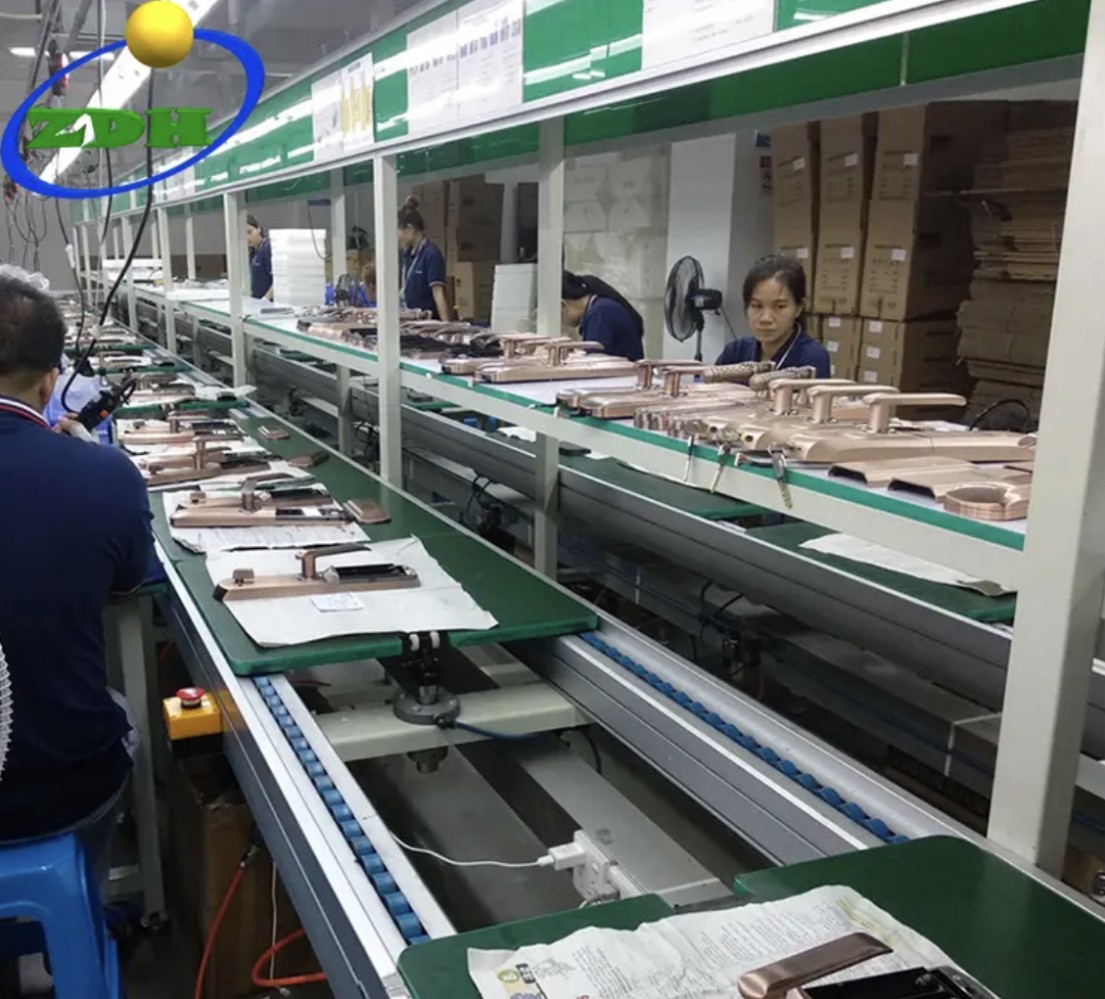
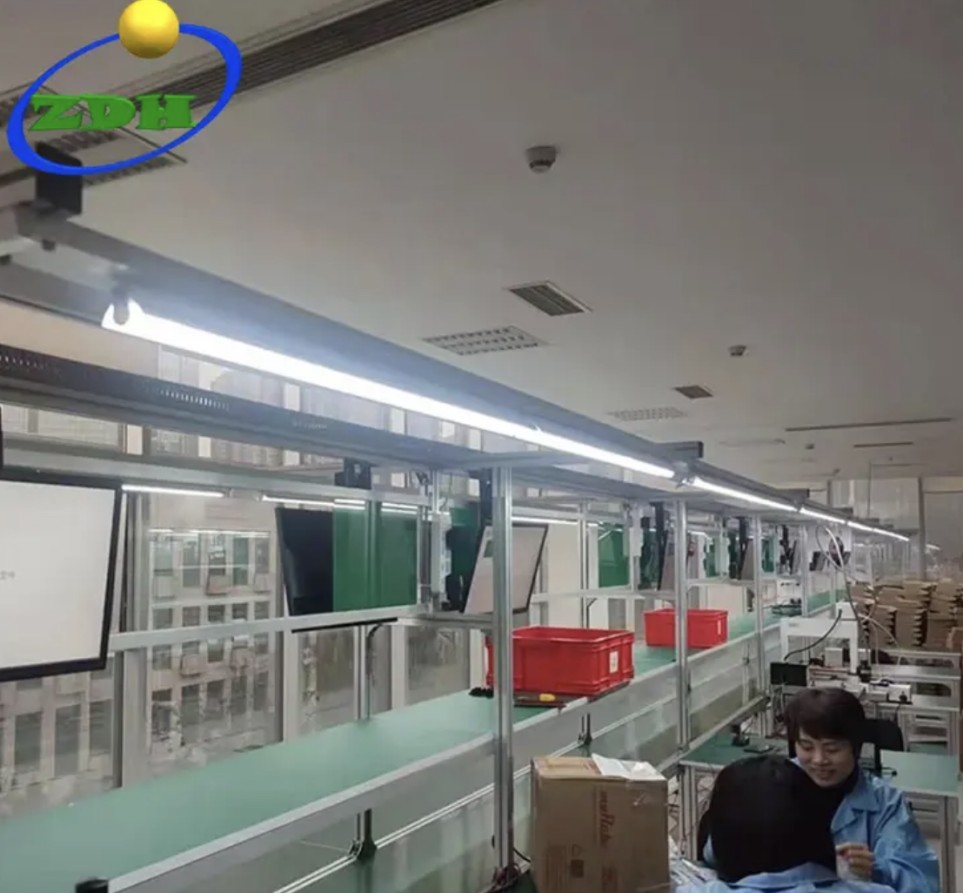
As an established China Automated Line System Supplier, Hongdali has focused on this specific technical intersection since 2009. An automated line system functions as more than just a series of belts; it is a complex infrastructure involving intelligent assembly line equipment, rollers, and customized workstations designed to optimize manufacturing capacity. For sectors like consumer electronics, household appliances, and lithium battery production, these systems provide the physical framework that allows for consistent quality and increased national industrial productivity.
Shifting From Equipment Supply to Full-Scale System Integration
In the current electronics manufacturing landscape, the requirements for consistency and traceability have transformed the role of the provider. Rather than simply delivering standalone hardware, the modern automated line system supplier acts as a strategic integrator. For an electronics manufacturer, the challenge is rarely finding a single conveyor; the difficulty lies in ensuring that diverse equipment—from specialized aging test racks for laptops to screen-bonding modules—operates as a unified organism.
Hongdali addresses this by adopting a turnkey approach to production line development. By integrating disparate mechanical elements into a cohesive system, the complexity of management is shifted away from the client. This integration ensures that every segment of the line, whether it is a TV assembly line or an LED lamp production setup, maintains a synchronized speed and error-handling protocol. Reducing the friction between different production phases directly lowers the long-term operational costs and minimizes the technical risks associated with multi-vendor setups.
Modular Architecture and Flexible Manufacturing Support
The electronics industry is characterized by rapid product life cycles and the need for frequent line reconfigurations. As manufacturing trends shift toward high-mix, low-volume production, the necessity for flexible infrastructure becomes apparent. An automated line system designed with a modular framework allows for the rapid interchange of functional units, such as loading, assembly, and testing modules.
This modularity is particularly beneficial when a factory needs to transition from one product model to another. Standardized components, including lean pipe joint systems and aluminum profiles, allow for quick layout adjustments. For specific applications like air conditioner or washing machine assembly, Hongdali incorporates specialized rollers and conveyor belts that can be reconfigured to accommodate different chassis sizes. This adaptability ensures that enterprises can respond to market fluctuations and new product introductions without the need for entire system replacements, effectively protecting the initial capital investment.
Precision Integration for Specialized Electronic Processes
Electronics manufacturing involves delicate handling and specific environmental requirements that general-purpose conveyors cannot always meet. In the assembly of laptops, mobile phones, and display devices, the automated line system must be coupled with precise process controls. For instance, the integration of cleanroom-compatible materials and anti-static surfaces is a technical necessity rather than an optional feature.
During the design phase of a production line, critical processes such as precision screen fitting or automated functional testing are embedded into the physical flow. By solidifying these process steps into the line's architecture, manufacturers can ensure that the output remains uniform regardless of operator skill levels. This deep coupling of process and hardware is essential for maintaining the high first-pass yield (FPY) rates demanded by international electronics brands.
Data-Driven Quality Management and Process Traceability
The modern automated line system serves as the primary data collection point for factory management systems. By integrating sensors and vision inspection systems directly into the conveyors and workstations, every unit’s progress can be tracked in real-time. This level of transparency is vital for meeting the rigorous traceability standards of the electronics and lithium battery industries.
When an automated line system supplier implements a full-process monitoring setup, it allows for the recording of critical parameters at every stage of assembly. If a defect is detected during the final aging test of a television, the system can trace the unit back to its specific assembly window, identifying potential material or mechanical issues. This data-driven approach not only improves quality control but also provides the documentation necessary for international certifications, helping brands establish authority in global markets.
Comprehensive Lifecycle Support and Operational Reliability
The value of an automated line system is ultimately measured by its long-term uptime and the stability of its output. A successful deployment requires more than just installation; it necessitates a comprehensive service strategy that spans from initial layout simulation to onsite commissioning. This proactive approach ensures that complex electronic production lines achieve a successful first-time startup, significantly reducing the risks of onsite trial and error.
With a professional foreign trade team and an export footprint spanning Germany, Italy, Poland, and across Southeast Asia and the Middle East, the focus remains on maintaining high overall equipment effectiveness (OEE). For overseas facilities, reliability is reinforced through the use of standardized spare parts and remote diagnostic capabilities. Whether it is providing accessories like roller rails and sealing machines or conducting full-scale technical troubleshooting, the goal is to minimize downtime and ensure that the production line remains a consistent asset throughout its operational life.
Balancing Manufacturing Efficiency with Operational Stability
The core objective of modern manufacturing solutions is to find a sustainable balance between high-speed output and repeatable accuracy. The role of a China automated line system supplier is to deliver solutions that are not only ready for immediate use but are also scalable for future demands. By combining modular hardware design with integrated process controls, manufacturers can achieve international levels of stability while maintaining the cost advantages inherent in Chinese industrial expertise.
Through the research and development of intelligent equipment, the mission remains centered on helping enterprises optimize their capacity. By freeing workers from manual transport tasks and focusing on automated precision, the industry moves toward a more efficient and reliable future.
For more information on intelligent assembly solutions and technical specifications, visit the official website at https://www.szassemblyline.com/.
As an established China Automated Line System Supplier, Hongdali has focused on this specific technical intersection since 2009. An automated line system functions as more than just a series of belts; it is a complex infrastructure involving intelligent assembly line equipment, rollers, and customized workstations designed to optimize manufacturing capacity. For sectors like consumer electronics, household appliances, and lithium battery production, these systems provide the physical framework that allows for consistent quality and increased national industrial productivity.
Shifting From Equipment Supply to Full-Scale System Integration
In the current electronics manufacturing landscape, the requirements for consistency and traceability have transformed the role of the provider. Rather than simply delivering standalone hardware, the modern automated line system supplier acts as a strategic integrator. For an electronics manufacturer, the challenge is rarely finding a single conveyor; the difficulty lies in ensuring that diverse equipment—from specialized aging test racks for laptops to screen-bonding modules—operates as a unified organism.
Hongdali addresses this by adopting a turnkey approach to production line development. By integrating disparate mechanical elements into a cohesive system, the complexity of management is shifted away from the client. This integration ensures that every segment of the line, whether it is a TV assembly line or an LED lamp production setup, maintains a synchronized speed and error-handling protocol. Reducing the friction between different production phases directly lowers the long-term operational costs and minimizes the technical risks associated with multi-vendor setups.
Modular Architecture and Flexible Manufacturing Support
The electronics industry is characterized by rapid product life cycles and the need for frequent line reconfigurations. As manufacturing trends shift toward high-mix, low-volume production, the necessity for flexible infrastructure becomes apparent. An automated line system designed with a modular framework allows for the rapid interchange of functional units, such as loading, assembly, and testing modules.
This modularity is particularly beneficial when a factory needs to transition from one product model to another. Standardized components, including lean pipe joint systems and aluminum profiles, allow for quick layout adjustments. For specific applications like air conditioner or washing machine assembly, Hongdali incorporates specialized rollers and conveyor belts that can be reconfigured to accommodate different chassis sizes. This adaptability ensures that enterprises can respond to market fluctuations and new product introductions without the need for entire system replacements, effectively protecting the initial capital investment.
Precision Integration for Specialized Electronic Processes
Electronics manufacturing involves delicate handling and specific environmental requirements that general-purpose conveyors cannot always meet. In the assembly of laptops, mobile phones, and display devices, the automated line system must be coupled with precise process controls. For instance, the integration of cleanroom-compatible materials and anti-static surfaces is a technical necessity rather than an optional feature.
During the design phase of a production line, critical processes such as precision screen fitting or automated functional testing are embedded into the physical flow. By solidifying these process steps into the line's architecture, manufacturers can ensure that the output remains uniform regardless of operator skill levels. This deep coupling of process and hardware is essential for maintaining the high first-pass yield (FPY) rates demanded by international electronics brands.
Data-Driven Quality Management and Process Traceability
The modern automated line system serves as the primary data collection point for factory management systems. By integrating sensors and vision inspection systems directly into the conveyors and workstations, every unit’s progress can be tracked in real-time. This level of transparency is vital for meeting the rigorous traceability standards of the electronics and lithium battery industries.
When an automated line system supplier implements a full-process monitoring setup, it allows for the recording of critical parameters at every stage of assembly. If a defect is detected during the final aging test of a television, the system can trace the unit back to its specific assembly window, identifying potential material or mechanical issues. This data-driven approach not only improves quality control but also provides the documentation necessary for international certifications, helping brands establish authority in global markets.
Comprehensive Lifecycle Support and Operational Reliability
The value of an automated line system is ultimately measured by its long-term uptime and the stability of its output. A successful deployment requires more than just installation; it necessitates a comprehensive service strategy that spans from initial layout simulation to onsite commissioning. This proactive approach ensures that complex electronic production lines achieve a successful first-time startup, significantly reducing the risks of onsite trial and error.
With a professional foreign trade team and an export footprint spanning Germany, Italy, Poland, and across Southeast Asia and the Middle East, the focus remains on maintaining high overall equipment effectiveness (OEE). For overseas facilities, reliability is reinforced through the use of standardized spare parts and remote diagnostic capabilities. Whether it is providing accessories like roller rails and sealing machines or conducting full-scale technical troubleshooting, the goal is to minimize downtime and ensure that the production line remains a consistent asset throughout its operational life.
Balancing Manufacturing Efficiency with Operational Stability
The core objective of modern manufacturing solutions is to find a sustainable balance between high-speed output and repeatable accuracy. The role of a China automated line system supplier is to deliver solutions that are not only ready for immediate use but are also scalable for future demands. By combining modular hardware design with integrated process controls, manufacturers can achieve international levels of stability while maintaining the cost advantages inherent in Chinese industrial expertise.
Through the research and development of intelligent equipment, the mission remains centered on helping enterprises optimize their capacity. By freeing workers from manual transport tasks and focusing on automated precision, the industry moves toward a more efficient and reliable future.
For more information on intelligent assembly solutions and technical specifications, visit the official website at https://www.szassemblyline.com/.
Shenzhen Hongdali Technology Co.,Ltd
Hongdali
+86 13424296707
email us here
Legal Disclaimer:
EIN Presswire provides this news content "as is" without warranty of any kind. We do not accept any responsibility or liability for the accuracy, content, images, videos, licenses, completeness, legality, or reliability of the information contained in this article. If you have any complaints or copyright issues related to this article, kindly contact the author above.